

This weekend, the world woke up to alarming headlines: Israel launched an airstrike on Iran. While the situation is deeply political, the ripple effects are being felt globally, especially when it comes to travel in the Middle East.
One of the most asked questions we’ve received in the last 24 hours is:
“Is the Middle East safe for travel in 2025?”
At Marhabein, we’re committed to portraying the lively, culturally rich, and real picture of the Middle East and that includes giving you an honest, practical view of travel safety right now.
While headlines raise concern, travelers still wonder: Is the Middle East safe for travel in 2025, or is it better to postpone plans?
If you’re planning or even just considering a trip to the region, here’s what you need to know.
Travel Safety in the Middle East (as of June 14, 2025)
Due to the Israel–Iran conflict, safety levels vary widely across the region. Some areas are experiencing serious unrest, while others remain stable, welcoming, and business as usual with just a few added precautions.
Middle East Countries with Travel Concerns
Here’s a breakdown of countries that travelers should avoid for now due to Israel-Iran conflict:
Israel & Iran
- Currently involved in direct missile confrontations.
- Not safe for tourism under any circumstances.
- Airspace disruptions and increased military activity reported.
Yemen
- High-risk area with ongoing violence, terrorism threats, and regional spillover.
- Non-essential travel strongly discouraged.
Syria
Remains highly unsafe due to civil war, poor infrastructure, and ongoing conflict.
Even embassies are cautioning travelers:
The U.S. Embassy in Saudi Arabia recently urged citizens in Israel to “know the location of the nearest shelter.”
SafeTravel NZ advised travelers to follow local authority instructions closely in high-alert regions.
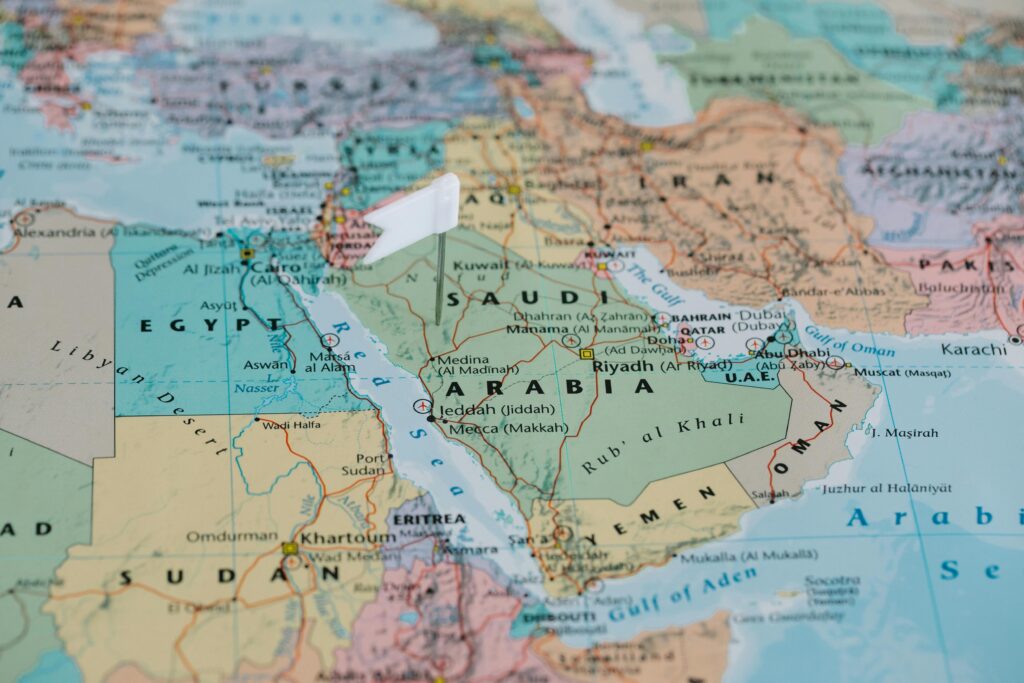
Middle East Countries That Are Still Safe for Travel in 2025
If you’re planning a holiday or business trip, it’s essential to ask not just is the Middle East safe for travel, but which parts remain unaffected by current tensions.
Saudi Arabia
- Strict law enforcement and dedicated tourist police.
- Riyadh, Jeddah, and AlUla continue to attract visitors.
- Low crime rates, especially in major cities.
United Arab Emirates (Dubai, Abu Dhabi)
- Dubai ranks among the safest cities in the world.
- Extensive surveillance, stable government, and world-class infrastructure.
- Life continues normally with minor air travel adjustments.
Oman
- Politically neutral with excellent hospitality and low crime.
- Caution advised near the Yemeni border only.
Qatar
- Very low crime and a secure urban environment.
- Doha is considered one of the safest capitals globally.
Jordan
- Stable government, tourism-friendly policies.
- Petra and the Dead Sea remain top tourist destinations.
Bahrain
- Calm domestic situation, with residents sharing light-hearted sentiments:
- “Nothing happens in Bahrain just sleep,” one local joked.
Kuwait
- Biometric fingerprinting for expats launched in 2025, enhancing security protocols.
- Daily life continues with no direct threat to tourists.
These nations continue to welcome international tourists, and for those wondering whether the Middle East is safe for travel now, these destinations offer reassurance backed by low crime rates and strong governance.
500+ Flights Cancelled Across Middle East Amid Iran-Israel Tensions! Here’s What Travelers Need to Know
What If You Have a Flight to the UAE Next Week?
If you’re booked to fly to the UAE amid Iran-Israel conflict, here’s the situation:
The UAE itself remains stable and safe.
However, airlines like Emirates, Etihad, and flydubai have suspended or rerouted flights to conflict zones (Israel, Iran, Iraq, Lebanon, and parts of Jordan).
Flights directly into the UAE from unaffected countries are largely operating normally.
What You Should Do:
- Check your flight status directly with your airline.
- Arrive early at the airport to allow for possible enhanced security checks.
- Keep your contact details updated with your airline for real-time updates.
Travel Alert: How to Handle Middle East-Indian Flights Disruption?
Travel Tips for Staying Safe During the Israel-Iran Conflict
While many destinations are considered safe, travelers should still be mindful:
- Stay informed through official government channels and news updates.
- Avoid political demonstrations or border regions near conflict zones.
- Respect cultural norms, including dress codes and public behavior.
- Use reputable transport services, especially at night.
- Solo female travelers report feeling safe in Gulf countries when using common-sense precautions.
- Be alert to petty crimes like pickpocketing in crowded tourist spots.
Also Use The Best Safety Apps in Dubai
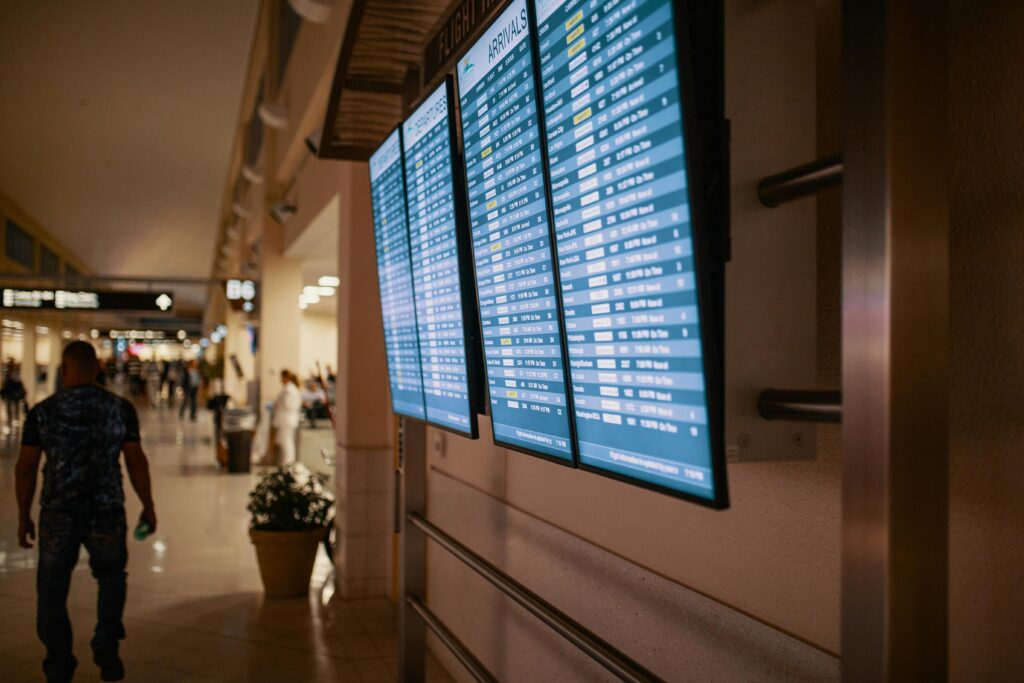
Should You Book a Trip to the UAE Now?
For travelers flying into Dubai or Abu Dhabi, the good news is that the Middle East is safe for travel now when it comes to major hubs like the UAE, despite broader regional tensions.
- Airline cancellations mainly affect routes to/from conflict-affected countries.
- Direct flights to UAE cities like Dubai or Abu Dhabi are mostly unaffected.
- If your trip is direct and doesn’t transit through Israel, Iran, or Iraq. you’re in the clear. Just monitor flight updates and stay flexible with your travel dates.

Beware of Fake News & Panic Triggers
A fake notification about “emergency procedures for nuclear threats” recently went viral on WhatsApp in Kuwait. These false alerts are causing unnecessary panic.
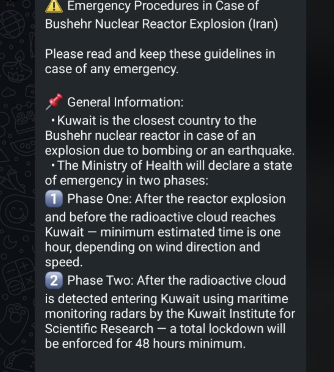
Always rely on official sources such as:
- Ministry of Foreign Affairs (your country)
- Airline apps
- Official embassy alerts
Voices From the Ground: What Locals Are Saying
We asked some of our team and readers across the Gulf how they feel about the current situation.
From Bahrain:
“The chances of any country declaring all-out war on Bahrain are very slim… While it’s scary, we’re hoping for a quick de-escalation.”
From the UAE:
“It’s tense, yes, but daily life goes on. Airports are busy, malls are full. We’re just more alert than usual.”
From Jordan:
“Tourism continues here. Saw a tour group even this morning.”
Final Word:
So, is the Middle East safe for travel now? The current tensions between Israel and Iran have understandably raised concerns, but it’s important to approach the region with nuance. The Middle East is diverse; politically, culturally, and geographically. While certain areas are experiencing heightened risk, many countries remain safe, stable, and fully operational for tourists.
If you’re planning a visit, do your homework. Rely on verified information, stay updated on official travel advisories, and avoid making decisions based on viral misinformation or social media panic.
Above all, remember this: the Middle East is more than conflict. It is a region of rich traditions, modern cities, and unmatched hospitality. With the right precautions, traveling here in 2025 can still be a rewarding and memorable experience.