


The Israel-Iran Conflict Is Real but Here’s How It’s Quietly Hitting the Budget of Expats in Gulf
No, you’re not imagining it. That grocery bill is climbing. Flights feel pricier. Gold’s not exactly gold anymore. And your monthly fuel cost? Suddenly 15–20 dirhams higher.
Yes, the Israel-Iran attacks have dominated global headlines but for expats in Gulf, it’s not just a distant conflict. It’s starting to creep into our day-to-day lives in ways that aren’t dramatic, but definitely noticeable.
So, what exactly is getting more expensive? Why? And what can you do if you’re an expat trying to make smart money choices while still living your life?
Let’s break it down.
Oil Prices Are Up And That Ripple Is Real
CNN reported that crude oil jumped over 7% in a single day, now hovering around $78 per barrel, marking the steepest rise since early 2022.
Why? Because the Strait of Hormuz, the chokepoint near Iran, is critical for oil trade and if that’s threatened, the world panics.
For Expats in Gulf, it means:
- Fuel prices may increase in the next few pricing cycles (especially in UAE where they adjust monthly)
- Electricity & water bills (especially for villa residents) may tick upward due to energy pricing shifts
- Logistics and delivery fees could get quietly hiked (from shipping companies to Talabat)
Mini example: If, as an expat in gulf, you’re used to paying 2.84 AED/L for petrol in Dubai, expect that to shift north if tensions escalate.
Is Your Dubai Rent Going Up in 2025? Here’s What You Can Actually Do About It
Flights: Disruptions, Suspensions, & Rebooking Drama
If you’ve tried booking flights to Jordan, Lebanon, or even some routes in Iraq, you’ve probably already hit a wall.
Here’s what’s happening:
- Etihad, Emirates, flydubai, Air Arabia; all have temporarily cancelled flights to/from Israel, Iran, Iraq, and Lebanon
- That squeezes overall seat availability, making flights even to unaffected areas more expensive
- Airlines are focusing on rerouting passengers, and that means layovers are longer, ticket prices are higher, and travel is more unpredictable
So even if you’re just flying from Dubai to Amman, you might pay more this month than last. The demand is shifting, and airlines are reacting fast.
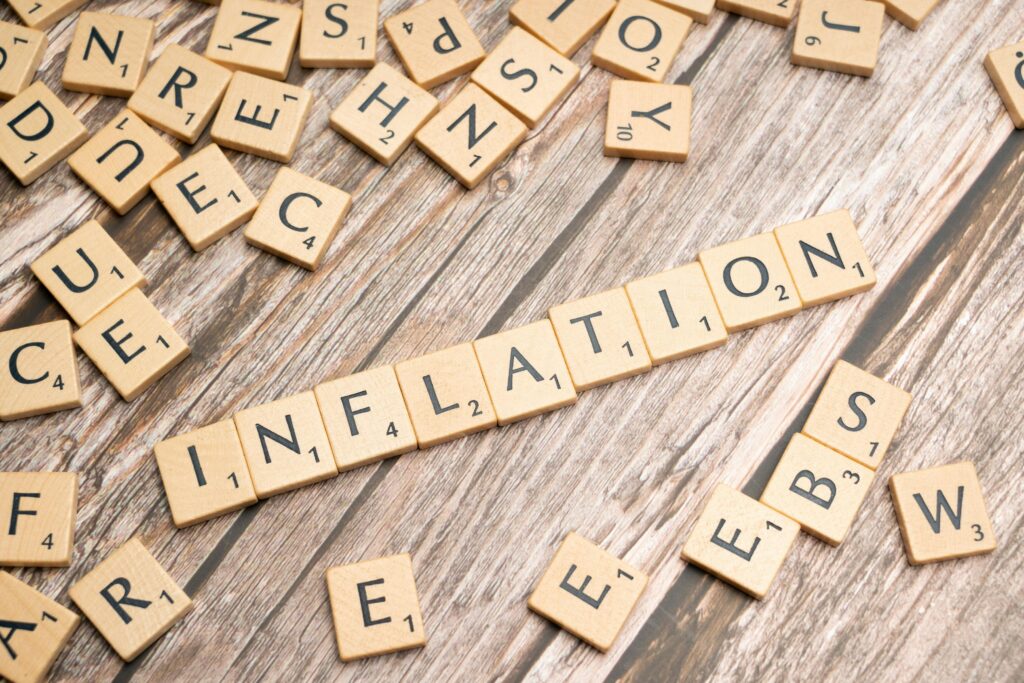
Food & FMCG Prices: The Silent Sting in Every Grocery Haul
Here’s where it hits most expats in Gulf thehardest:
- Cooking oil? Up.
- Milk? Quietly up.
- Packaged snacks? Smaller size, same price.
Yes, we’re officially in a “shrinkflation + inflation” moment. Why?
- Global commodities like palm oil, wheat, cocoa, and coffee have become costlier due to supply chain fears and oil-based transport logistics.
- FMCG giants are quietly passing the cost down the chain either by raising prices 3–5%, or reducing quantity without changing the sticker price.
In short? You’re paying more even if your cart looks the same.
Example: A pack of imported chocolate biscuits that used to be 6.25 AED is now 6.75 or it’s 6.25, but 10g less.
Gold: Investors Flee to Safety and That Means Price Spikes in Dubai
Dubai recorded the second-highest surge in gold prices globally this year. When war talk starts, investors rush to gold and the UAE is a gold hub, which means we feel it first.
- If you were planning to buy gold for Eid, wedding gifts, or investment, expect to pay a premium.
- Local buyers are holding off, but tourists and foreign investors are driving demand.
What About the Expat in Gulf Budget? Real Pressure, Real Stories
Let’s talk real life now and not just stats for expats in gulf.
- If you’re a mid-level manager in Sharjah sending money home to Kerala every month and now, you’re questioning whether your fuel budget and grocery spend will let you save the same.
- Or if you’re a Bahraini-based freelancer paying school van fees, noticing your kid’s cafeteria bills rising while delivery surcharges sneak onto every Talabat order.
- And if you’re in Doha, where a weekly brunch used to feel normal and now, you’re recalculating just to keep your weekends under control.
What Expats in Gulf Can Do: Smart Moves, Not Panic
Here’s where we shift from headlines to action. Inflation is real, conflict is worrying, but your response matters more than any spike.

1. Bulk Buy Smartly
Expats in gulf use Carrefour, Lulu, or Danube offers to buy rice, flour, cooking oil, and tinned food in bulk, especially before the July pricing resets.
2. Use Fuel Apps
In UAE, apps like FuelPriceUAE track price changes. In Qatar and Bahrain, fuel is state-controlled but keep an eye on premium fuel differentials.
3. Cut Non-Essentials Without Feeling It
- Pause that unused Amazon Prime or Netflix family plan
- Downgrade your music subscription
- Reduce food delivery and cook twice a week in bulk (yes, even if you’re tired, your wallet will thank you)
4. Delay Big-Ticket Buys
Gold? Laptops? Cars? Unless it’s urgent, wait 2–4 weeks to see if pricing stabilizes.
5. Flight Hack
Expats in gulf should use Rehlat, Skyscanner, and Google Flights alerts. Also check Pakistan and Indian consulate advisories if your travel is linked to remittance plans or home trips.
Also Read: Living in the UAE Just Got Smarter: Free ChatGPT Plus
Wrapping Up:
We live in a region where news hits fast and impacts faster. But the Gulf is also resilient, informed, and adaptive. The Israel-Iran conflict is unsettling, no question. But while global oil charts go red and Twitter rumors fly, you don’t have to spiral.
Just track what’s rising, adjust where needed, and stay two steps ahead with smart choices. You don’t need a panic plan but you need a practical one.