

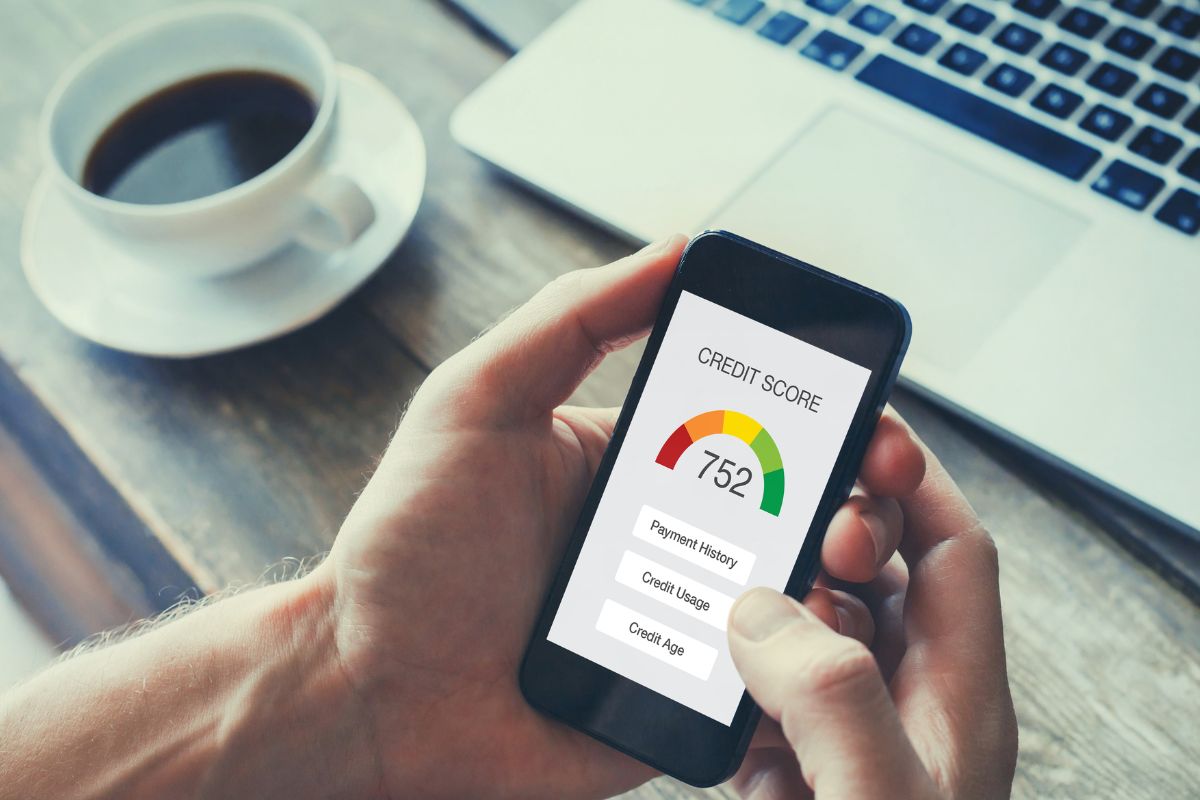
Soon, UAE residents will be able to verify another person’s credit score in UAE through UAE Pass. Etihad Credit Bureau (ECB) confirmed to Gulf News that this new rule aims to make real-world transactions like rentals, private services, and payment-based agreements safer and more transparent.
Currently, one party has to ask the other for their credit report directly, which often leads to delays or even manipulation. But under the upcoming rule, the process becomes smoother: you’ll simply pay Dh80 to verify someone’s credit score, and the other person grants permission through UAE Pass.
This means landlords, business owners, or even freelancers can easily confirm a person’s financial reliability without needing to rely on post-dated cheques or manual documentation, something that’s caused plenty of issues in the past.
How to Use the New UAE Pass Feature
Once the new feature rolls out, the presumed process will be simple and secure:
1. Log in with your UAE Pass.
2. Enter the Emirates ID of the person whose credit score in UAE you want to verify.
3. That person receives a notification to grant consent.
4. Once they approve, you’ll be able to view their verified credit score instantly.
Without consent, the feature won’t work, ensuring complete privacy and control over personal financial data.
The feature is expected to become available sometime next year, marking another step in the UAE’s mission toward smarter, safer digital transactions.
What Is a Credit Score in UAE?
If you’re new to the Emirates or planning to move soon, one important thing to understand is the credit score in UAE. Simply put, your credit score shows how trustworthy you are when it comes to borrowing money or making payments on time.
Your credit score in UAE is issued by the Etihad Credit Bureau (ECB) – the official institution that collects your financial data from banks, telecom companies, and other service providers. It’s based on several factors, including your payment history, the number of active loans or credit cards you have, and how you manage them.
The higher your score, the better your chances of getting a loan approved, renting a home, or even being prioritized by landlords or service providers.
Also Read: How to Ship from Amazon to UAE in 2025
Credit Score Ranges in the UAE
- 750 – 900: Excellent credit score
- 700 – 749: Good credit score
- 650 – 699: Fair credit score
- Below 650: Poor credit score

Why Is Credit Score in UAE Important?
Having a good credit score in UAE can open many doors for you financially. It helps you secure lower interest rates, higher credit limits, and faster loan approvals.
Beyond just banking, your credit score can influence rental agreements, utility connections, and even mobile phone contracts. That’s why it’s smart to start building and maintaining a healthy credit record as soon as you settle in the UAE.
Also Read: Here’s How to Avoid Rising QR Code Scams in UAE
How to Check Your Credit Score in UAE
If you’re wondering how to check your credit score in UAE, the process is quick and simple. You can do it directly through the Al Etihad Credit Bureau (AECB) website or mobile app.
You’ll just need your Emirates ID and a valid email address to register. Once you log in, you can choose between two options:
- AED 10.50 for a basic credit score report
- AED 84 for a full detailed credit report
Both options are available instantly, giving you insight into your financial standing and helping you plan better for loans, rentals, or credit card applications.
Also Read: How to Avail 13 Emirates ID Perks You’re Probably Didn’t Know
What Makes a Good Credit Score in UAE?
Your credit score in UAE is calculated based on several key factors:
- Payment history: Consistently paying bills and loans on time
- Credit utilization ratio: Keeping your credit card balances low compared to your limit
- Length of credit history: How long you’ve been using credit responsibly
- Credit mix: A healthy balance of different credit types (like loans and cards)
- Recent credit applications: Too many inquiries in a short period can lower your score
How to Improve a Low Credit Score in UAE Fast?
Checked your credit score in UAE and it’s lower than you expected? Don’t panic because you can fix it faster than you think with a few smart moves.
Start by paying all your bills and loans on time. Even one missed payment can drag your score down, so setting up automatic payments is a game-changer.
Next, focus on bringing down any outstanding credit card balances, ideally, keep your usage below 30% of your credit limit.
ICYMI: Explore New Credit Card Rules in Saudi Arabia (2025)

Avoid applying for multiple loans or new credit cards all at once, as that can make you look financially stretched. Instead, stick to what you already have and manage it well. It also helps to maintain a good mix of credit, like having both a credit card and a small personal loan, and review your credit report regularly to make sure there are no errors.
A few months of consistent, responsible credit behavior can make a noticeable difference. Keep your spending in check, pay on time, and you’ll see your credit score in UAE climb steadily; no overnight hacks, just smart habits that work.
Also Read: Free ChatGPT Plus in the UAE: What It Means for Daily Life?
Conclusion
As the UAE moves toward smarter digital systems, managing and verifying your credit score in UAE is becoming easier and more important than ever. Whether it’s applying for a loan, renting a property, or signing service contracts, a strong credit score gives you the upper hand.
With the new UAE Pass update and tools like the AECB app, staying on top of your financial reputation has never been simpler. So, start building healthy credit habits today and keep following Marhabein for more practical updates on tech, lifestyle, and digital living in the UAE.