

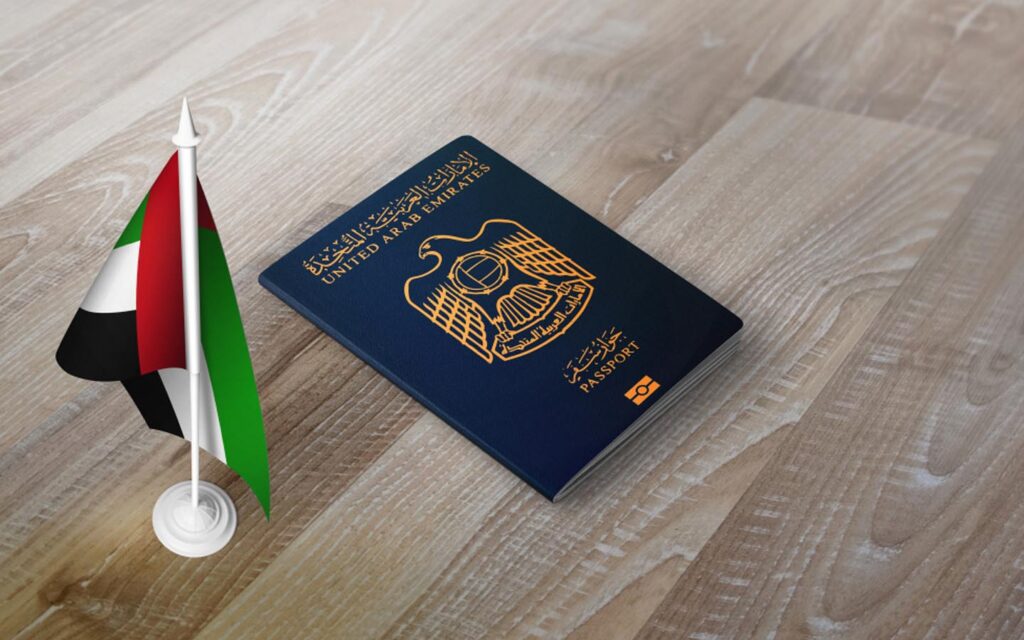
If you’re living in Dubai, here’s something you might not have on your radar yet: your Dubai residency could be at risk if you have unpaid traffic fines in Dubai.
A new pilot rule now ties visa renewals to clearing outstanding fines, which means you can’t simply ignore those speeding tickets anymore. While Dubai has always been strict about traffic violations, this new system takes it a step further, ensuring that only residents with a clean payment record can renew their visas.
It might sound tough, but the goal is simple: encouraging safer roads and more responsible drivers. In this blog, we’ll unpack what the new rule means, how it affects your residency status, and the easiest ways to check and pay off your fines before they become a problem.
What is the New Dubai Residency Renewal Rule?
The new Dubai residency renewal rule is a pilot system introduced by the General Directorate of Residency and Foreigners Affairs (GDRFA) in partnership with Dubai Police. Under this initiative, residents must settle all unpaid traffic fines in Dubai before they can renew, cancel, or transfer their residency visas.
In simple terms, if you have outstanding fines, you will not be able to proceed with any residency-related services until those fines are cleared.
Currently, this system is in its trial phase and has not yet been rolled out across all GDRFA centers, including Dubai International Airport. However, residents are encouraged to pay off any fines promptly to avoid disruptions once the rule is fully implemented.
This move marks a significant change from previous years, where traffic fines could be settled at convenience without affecting visa renewals. The aim of the new Dubai residency renewal rule is to improve fine collection efficiency and promote responsible driving habits among residents.
If you hold a Dubai residency, now is the time to check your traffic fines and clear them before your visa renewal period approaches.
New Dubai Residency Rule: What Happens If You Have Traffic Fines?
When residents apply for Dubai residency services (such as visa renewal, transfer, or cancellation) the new digital system automatically checks for unpaid traffic fines in Dubai linked to the individual’s driver’s license or vehicle plate. If any fines are detected, the visa process is paused or blocked until all outstanding payments are cleared.
To reduce financial strain, Dubai Police and local banks have introduced interest-free installment plans for larger fines, typically exceeding AED 3,000 or AED 10,000 (depending on the case). These flexible payment options can extend up to 24 months, making it easier for residents to settle fines without sudden financial pressure.
This initiative emphasizes road safety, accountability, and legal compliance, strengthening coordination between immigration and traffic authorities. It’s not meant to burden residents but rather to encourage timely fine settlement and responsible driving behavior.
Residents planning to cancel their Dubai residency visas and leave the UAE are also required to clear all fines if they own registered vehicles. Failing to do so can delay visa-related transactions, leading to potential legal complications.
Clearing traffic fines early is now essential to avoid disruptions during visa renewal or other residency services.
How to Avoid Parking Fines in Dubai? Tips and Tricks To Try in 2025
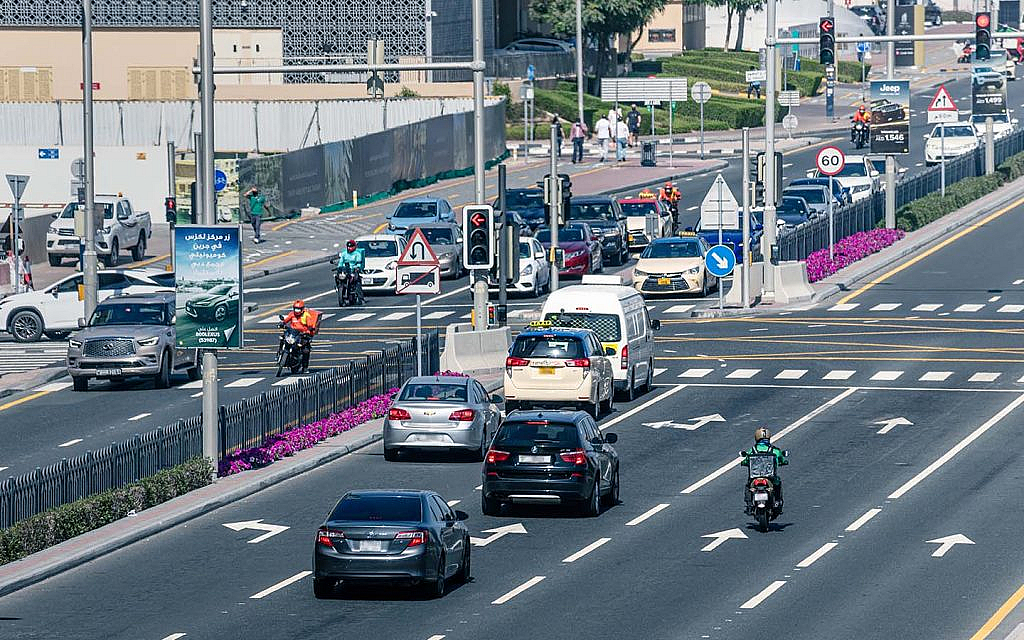
How to Check and Pay Traffic Fines in Dubai?
With the new Dubai residency renewal rule, clearing unpaid traffic fines in Dubai has become a top priority. Thankfully, Dubai Police, the Roads and Transport Authority (RTA), and the UAE Ministry of Interior (MOI) have made the process straightforward with multiple digital and in-person channels.
You can find out your pending fines by using:
- Vehicle plate number
- Traffic file number
- Driver’s license number
- Fine number or traffic code number
Platforms for fine inquiry include:
- Dubai Police website: Use the “Fines Inquiry and Payment” feature.
- RTA website or app: Check fines using traffic file details and date of birth.
- MOI website: Provides a central portal for UAE-wide traffic fine checks.
How to Pay Traffic Fines
You can pay fines through any of the following:
- Dubai Police website or mobile app: Pay directly with credit/debit cards or digital wallets like Apple Pay.
- RTA portal or app: Navigate to “Driver & Car Owner Services” for quick payments.
- MOI portal: Pay fines linked to your traffic number or vehicle plate.
- Smart Police Stations & kiosks: Available 24/7 across Dubai, accepting cash and cards.
- Banks and ATMs: Partner banks like Emirates NBD and Dubai Islamic Bank accept fine payments.
- Call 901 (Dubai Police Call Centre): Pay using your credit card over the phone.
- In-person at RTA service centers: For those who prefer paying by cash or card.
Paying Dubai Traffic Fines in Installments
For larger fines (usually above AED 5,000) Dubai Police allows interest-free installment plans (3, 6, 12, or 24 months). To apply:
- Submit a request online via the Dubai Police website or app.
- Provide your bank and credit card details.
- Pay 25% upfront, with the remaining balance auto-debited monthly.
Partner banks include Emirates NBD, ADCB, FAB, and Dubai Islamic Bank.
Quick Tip: Always clear fines before visa renewal or cancellation, as the new Dubai residency rule links these services directly to your traffic fine status.
Also Explore Dubai’s AI Traffic Radars: New Violations and Fines You Need to Know
Can You Renew Dubai Residency Visa If You Have Traffic Fines?
Under the new pilot system launched by the General Directorate of Residency and Foreigners Affairs (GDRFA) and Dubai Police, you cannot renew your Dubai residency visa if you have unpaid traffic fines in Dubai. The digital system automatically checks for any outstanding fines linked to your Emirates ID, driver’s license, or vehicle plate.
If any fines are detected, your visa renewal, cancellation, or transfer request will be blocked until the payments are cleared. This applies to all residency-related services, ensuring that residents settle fines before accessing immigration services.
Are There Exceptions to Dubai’s New Residency Visa Rule on Traffic Fines?
Yes, there are certain exceptions and flexibilities to the new system linking Dubai residency visa renewals with unpaid traffic fines in Dubai. Since the rule is still in its pilot phase, it hasn’t been fully implemented across all GDRFA service points.
For example, the Dubai International Airport GDRFA centre is currently not enforcing this rule.
Rather than blocking visa services immediately, the system initially acts as a reminder to settle fines, allowing residents to clear dues before finalizing their transactions.
For larger fines (typically above AED 3,000), interest-free installment plans of 3, 6, 12, or up to 24 months are available, ensuring financial flexibility.
Authorities emphasize that the rule’s purpose is to promote compliance, not to create hardship. In special cases, residents can apply for fine reductions or exemptions through GDRFA’s customer service and review committees.
Are Tourists Affected by This Rule?
No, tourists and short-term visitors are not affected by the Dubai residency visa rule linking visa services to unpaid traffic fines in Dubai. This policy applies exclusively to residents holding Emirates IDs or residency visas.
However, tourists are still required to pay any traffic fines incurred during their stay, such as speeding or parking violations, to avoid issues with rental car companies or future UAE visits. If a tourist leaves the country without settling their fines, the amount is usually collected via the rental agency or flagged for future entry.
In short, while tourists are not linked to the residency renewal process, it’s best to pay any fines promptly.
Does Abu Dhabi or Sharjah Have Similar Rules?
Currently, the new pilot rule is limited to Dubai residency services handled by GDRFA and Dubai Police. Abu Dhabi and Sharjah have not announced similar systems linking residency visa renewals to unpaid fines.
However, both emirates encourage timely fine payments, and policies may align with Dubai in the future. Residents in other emirates should still check traffic fines through the UAE Ministry of Interior (MOI) portal, as unpaid fines can impact federal services, including driving license renewals.

What Other Rules for Renewing Dubai Residency You Must Know
Beyond clearing unpaid traffic fines in Dubai, several other rules and requirements are essential for Dubai residency renewal. Missing any of these can delay your application or result in additional fees.
1. Valid Emirates ID and Passport:
Your passport must be valid for at least 6 months, and your Emirates ID should be renewed simultaneously with your residency visa.
2. Medical Fitness Test:
All residents must undergo a medical test at an authorized health center. The test checks for communicable diseases such as tuberculosis and HIV, which are mandatory requirements for visa renewal.
3. Health Insurance:
Proof of active health insurance is required in Dubai. Without it, your residency visa renewal will be rejected.
4. No Outstanding Immigration Fines:
Any overstay fines or visa-related penalties must be cleared before the renewal process.
5. Sponsorship Documents:
For family-sponsored visas, documents like salary certificates or tenancy contracts may be required.
6. Timely Renewal:
Apply at least 30 days before your current visa expires to avoid fines.
Understanding these rules, along with the new traffic fine policy, ensures a smooth Dubai residency renewal process.
Stuck in Dubai Traffic? Here are 9 Tips to Beat the Traffic
Final Word
Renewing your Dubai residency is now more than just a paperwork exercise. It requires clearing all unpaid traffic fines in Dubai as part of the new pilot rule introduced by GDRFA and Dubai Police. While the system is still in its trial phase, residents should prepare by checking their fines regularly and paying them on time to avoid delays or visa rejections.
Along with traffic fines, ensure your medical tests, health insurance, and other essential documents are up to date. Being proactive not only guarantees a smooth Dubai residency renewal process but also helps you stay compliant with Dubai’s evolving rules and regulations.