

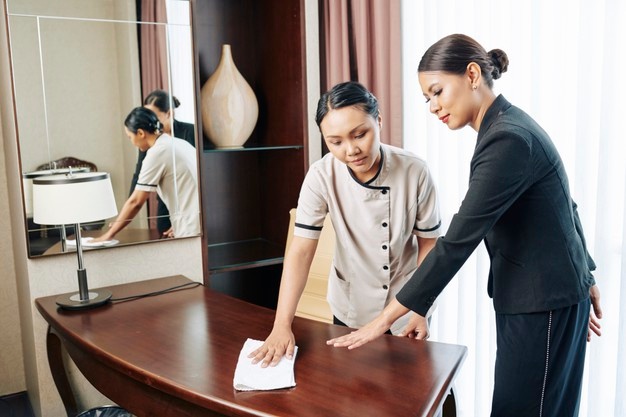
If you are working in Bahrain or planning to, you have probably heard the news about the possible ban on Filipino domestic workers in Bahrain. The proposal, introduced by MP Mohammed Al-Ahmad, suggests a temporary pause in hiring new domestic workers from the Philippines.
The reason behind this decision is concern over health issues, particularly rising HIV/AIDS cases reported in the Philippines.
Now, before you panic, let’s make one thing clear. This is not a permanent decision. The proposed ban is temporary and will remain in place only until health reports show stability and reassurance. Authorities also mentioned that they might look at recruiting from other countries during this period.
So, what does this mean for you? Whether you are already working as one of the many Filipino domestic workers in Bahrain or planning to come soon, it is important to understand your rights, responsibilities, and options.
Let’s break it down step by step in simple terms.
Also Explore: 5 Affordable Family-Friendly Hotels in Bahrain You Need To Check Out Now
What Filipino Domestic Workers in Bahrain Should Do
If you are a domestic worker already living and working in Bahrain, here are some important steps to stay safe and secure during this time:
- Stay updated: Keep an eye on official announcements about the temporary suspension. This helps you avoid confusion or falling for false news.
- Keep your documents valid: Always renew your work permit and residency through your employer and Bahrain’s Labor Market Regulatory Authority (LMRA).
- Know your rights: As a Filipino domestic worker in Bahrain, you have the right to fair wages, safe working conditions, and protection from abuse. You can file complaints with labor authorities if your rights are violated.
- Connect with the Philippine Embassy: The embassy offers support such as health screenings, legal help, and even amnesty for undocumented workers.
- Follow Bahrain’s labor rules: This includes wage protection, mid-day work bans (especially during summer), and health regulations.
- Seek help when needed: If you face problems, contact LMRA or the Philippine Embassy instead of staying silent.
By doing these, filipino domestic workers in Bahrain can continue working safely despite the ongoing discussions about the ban.
Also Explore: Where to Buy Good Quality Yet Affordable Cosmetics in Bahrain
What Legal Protections Are Missing for Filipino Domestic Workers in Bahrain?
Even though Bahrain has made some labor reforms, domestic workers do not enjoy the same protections as other employees. Here’s what’s missing:
- No clear limits on working hours: Unlike other jobs, domestic workers often have no set hours, no overtime pay, and no guaranteed weekly day off.
- Kafala (sponsorship system): Your legal stay is tied to your employer, which makes it hard to change jobs or leave a bad situation without their consent.
- Weak enforcement of contracts: Even if you sign a contract, many employers ignore it, and workers who complain risk retaliation or false accusations.
- Limited access to justice: Filing complaints is difficult because of language barriers, fear of deportation, and lack of strong legal backing.
- Passport confiscation: Many workers still have their passports taken away, which should not happen but continues due to weak penalties for employers.
- Isolation: Live-in workers often don’t get breaks or personal time, which increases dependency on the employer and adds stress.
This is why it is important for filipino domestic workers in Bahrain to know their rights, stay connected to the embassy, and use official channels if they need help.
Explore The Best Spas for Men in Bahrain
Final Word
The talk about a ban on Filipino domestic workers in Bahrain may feel worrying, but remember, it is only temporary and not final. If you are already working in Bahrain, you can continue your job as long as your papers are valid and you follow the rules. The most important thing is to protect yourself: know your rights, keep your documents legal, and seek support when needed.
In the coming months, Bahrain will still need domestic workers for many families. Stay informed, stay safe, and do not let fear stop you from making smart decisions about your future.